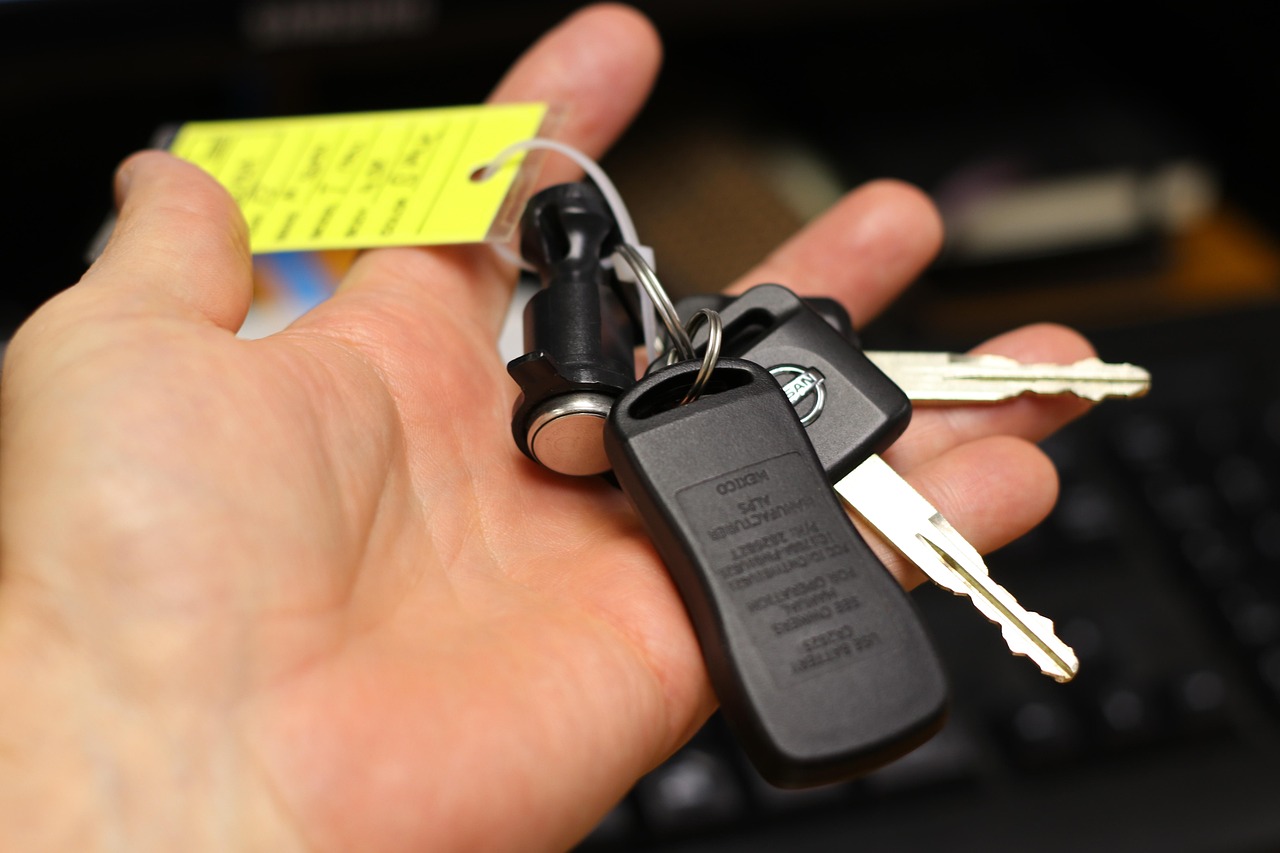
Quick auto tags inspections demand organized documents (registration, title) and a thorough vehicle assessment. Verify local requirements, use services like Quick Auto Tags for efficient title replacements, and maintain regular checks on fluids, tires, lights. Prepare essential docs (license, registration, insurance) and ensure safety features meet regulations during inspection. Proactive verification ensures legal compliance and smooth inspections.
In today’s fast-paced world, a quick vehicle inspection can save lives, prevent accidents, and ensure the safety of every road user. However, navigating the process efficiently remains a significant challenge for many drivers. The hassle of scheduling appointments, dealing with lengthy wait times, and understanding complex maintenance protocols often deters folks from conducting regular checks. This article provides an authoritative guide on how to schedule a quick auto inspection, empowering drivers with the knowledge to keep their vehicles in top condition without the usual headaches. By following our expert advice, you’ll revolutionize your vehicle’s upkeep, fostering safety and peace of mind on every journey.
- Gather Necessary Tools for Quick Auto Tags Inspection
- Conduct Visual Assessment: Look for Red Flags
- Check Key Components: Tires, Fluids, Lights
- Verify Documentation and Safety Features
Gather Necessary Tools for Quick Auto Tags Inspection

When preparing for a quick auto tags inspection, ensuring you have all the necessary tools is paramount. A vehicle’s registration and title documents are critical components of ownership, so having them readily available or easily replaceable is essential. Among these tools, a clear understanding of how to obtain a lost registration card replacement or lost registration sticker replacement stands out, especially when navigating the process for the first time.
Many states offer online platforms where you can conveniently order duplicate title documents, such as Quick Auto Tags. This modern approach streamlines the process, allowing you to replace your lost vehicle title with minimal hassle. For instance, some states permit you to order duplicates directly from their respective Department of Motor Vehicles (DMV) websites, making it a quick and official procedure. However, it’s crucial to verify the specific requirements and acceptable methods for replacement in your area.
During an inspection, having these documents organized or readily accessible can expedite the entire process. Remember, time is valuable, and being prepared ensures that any potential delays are minimal. Whether you’re dealing with a missing registration sticker or needing to replace a worn-out title, understanding how to obtain duplicates efficiently—like those offered by Quick Auto Tags—is a practical skill every vehicle owner should possess. Always consult official resources for up-to-date procedures and requirements to ensure compliance and a smooth experience.
Conduct Visual Assessment: Look for Red Flags

A crucial step in maintaining your vehicle’s safety and legality is conducting a thorough visual assessment during your quick auto tags inspection. This initial look can reveal potential issues that may require immediate attention, including red flags that signal more serious problems. Here’s what to scrutinize: exterior damage like dents, cracks, or rust; malfunctioning lights (both indicators and brake lights); and worn-out tires with low tread depth. Additionally, check for any fluid leaks, such as engine oil, coolant, or brake fluid, which could point to underlying mechanical failures.
Among the many components to inspect, don’t overlook crucial documents like registration stickers. If you’ve lost your registration sticker, it’s a simple matter to replace it through a quick and easy title replacement process with services like Quick Auto Tags. This is not only a legal requirement but also ensures your vehicle remains roadworthy. For instance, in many states, the Department of Motor Vehicles (DMV) allows you to order new registration stickers by mail, making the process convenient and straightforward.
Moreover, pay close attention to your vehicle’s emissions system, including the exhaust pipe and catalytic converter. Signs of damage or corrosion could indicate issues that require professional attention. Similarly, check for any odd noises, vibrations, or performance changes, which may suggest problems with brakes, suspension, or drivetrain components. Regularly inspecting these areas during your quick auto tags routine can help you catch issues early, avoiding more costly repairs down the road.
Remember that preventive maintenance is key to keeping your vehicle in top shape. By conducting a meticulous visual assessment and addressing any red flags promptly, you’re not just ensuring compliance with legal requirements like timely title replacement (including lost registration sticker replacements) but also safeguarding your investment by preventing small issues from becoming major problems. For instance, early detection of tire wear can prompt you to replace them before they pose safety risks or cause costly breakdowns. Vehicle title replacement assistance at Quick Auto Tags is designed to streamline these processes, making it easier for vehicle owners to maintain their vehicles’ roadworthiness and safety.
Check Key Components: Tires, Fluids, Lights

A quick vehicle inspection can help ensure your car is safe to drive and legally compliant. When performing this check, focus on three key components: tires, fluids, and lights. Starting with tires, look for any signs of uneven wear, cuts, or bulges. Proper tire pressure is also crucial; most vehicles require around 32-36 psi, so double-check the pressures using a reliable gauge. Next, fluids play a vital role in your vehicle’s performance and longevity. Check levels of engine oil, coolant, brake fluid, and power steering fluid. Top up any low fluids to the recommended levels, which can be found in your owner’s manual or on a sticker inside the driver’s door.
Moving on to lights, ensure all exterior lights are functioning properly, including headlights, taillights, turn signals, and emergency lights. A well-lit vehicle not only enhances safety during night drives but also makes your car more visible to other drivers, pedestrians, and traffic authorities. One practical insight is to test these lights regularly, especially after a storm or when seasonal conditions change, as bad weather can cause bulbs to burn out or cover lights with debris.
If you’re dealing with a missing auto title, consider Replace a missing auto title with Quick Auto Tags for a quick and easy solution. The process involves obtaining a replacement title from your local Department of Motor Vehicles (DMV) and updating your vehicle’s registration accordingly. Keep in mind that the Vehicle Identification Number (VIN)—a unique 17-character identifier—should be clearly visible on your title, registration, and vehicle itself for accurate identification. According to recent data, over 90% of replacement title requests are successfully processed within a few business days, ensuring you can get back on the road promptly. Regularly scheduled inspections involving these key components not only help maintain your vehicle’s functionality but also contribute to safety and legal compliance.
Verify Documentation and Safety Features
When scheduling a quick vehicle inspection, one of the critical steps is verifying your documentation and safety features. This involves ensuring that all registration papers, insurance details, and vehicle identification numbers (VIN) are accurate and up to date. A common issue that arises during inspections is a lost car title—a problem that can be easily rectified with the right knowledge and resources. In fact, according to recent data, over 2 million drivers in the US face title-related issues annually, often requiring them to visit a DMV office in person for a quick and easy replacement.
Quick Auto Tags offers efficient DMV duplicate title services, streamlining the process and saving you valuable time. The first step is to gather essential documents like your driver’s license, vehicle registration, proof of insurance, and a valid driver’s abstract or driving record. During the inspection, carefully examine your safety features—including brakes, lights, signals, mirrors, and child safety seats—to ensure they meet current regulations. For example, if you have recently replaced your vehicle’s battery or tires, make sure these changes are reflected on your registration documents.
If a title replacement is needed, most DMV offices can facilitate this process in just a few visits. Bring along the required paperwork, including a completed application form and any additional documentation requested by the DMV. Many states now offer online services for title transfers, further simplifying the procedure. By proactively verifying your documentation and safety features, you not only pass inspections with ease but also ensure your vehicle is legally registered and roadworthy.
A quick vehicle inspection, including a Quick auto tags title replacement, is an essential practice for any car owner. By gathering the necessary tools, conducting a visual assessment, checking critical components, verifying documentation, and inspecting safety features, you can ensure your vehicle’s reliability and safety. This systematic approach allows you to identify potential issues early on, save costs on repairs, and maintain peace of mind while on the road. Remember, a little investment in routine maintenance can go a long way in protecting your investment and ensuring a smoother, safer driving experience.